
The Wellness Wheel Series: Physical Wellness and Mental Health
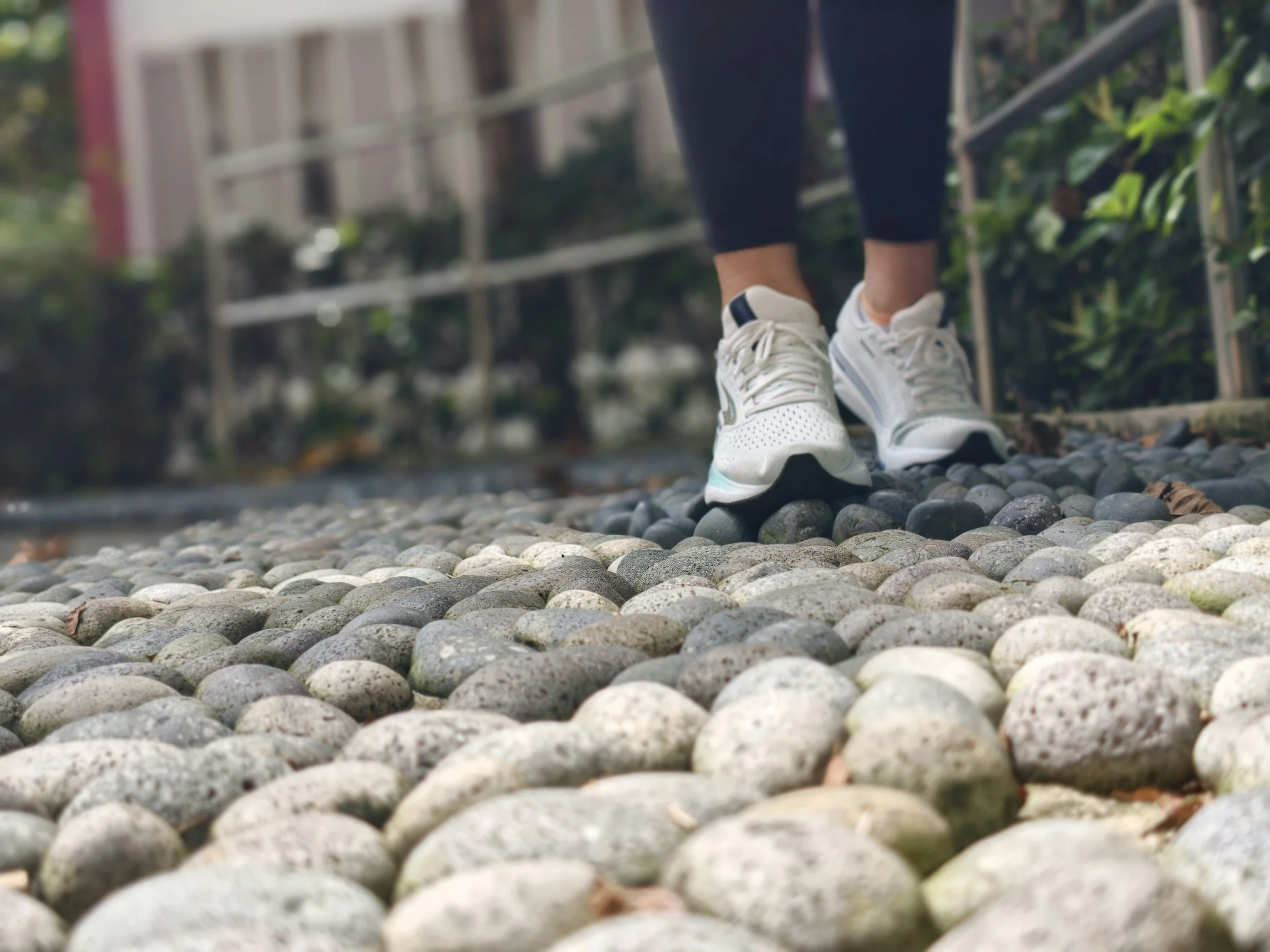
In the first post of this series, we introduced the Wellness Wheel as a way of understanding holistic health—recognizing that our well-being is shaped by multiple, interconnected areas of life. We’ve since explored intellectual wellness and relational connection. Today, we turn to another foundational part of the wheel: physical wellness.
What Is Physical Wellness?
Physical wellness refers to how we care for and engage with our bodies through daily habits such as movement, nutrition, sleep, and overall health maintenance. It’s not about achieving a perfect body or following rigid routines. Instead, it’s about developing a sustainable and respectful relationship with your body—one that supports energy, functioning, and long-term health.
Physical wellness also includes learning to listen to your body’s signals. Hunger, fatigue, tension, and restlessness all communicate something important. When we begin to notice and respond to these cues, we often find ourselves better equipped to meet both our physical and emotional needs.
Why It Matters for Mental Health
The connection between physical and mental health is both strong and often underestimated. Our bodies and minds are not separate systems—they constantly influence one another. Sleep deprivation, poor nutrition, or a lack of movement can contribute to increased stress, irritability, and difficulty concentrating. On the other hand, consistent physical care can improve mood, reduce anxiety, and increase overall resilience.
Movement, for example, has been shown to support the release of endorphins and reduce symptoms of depression and anxiety. Sleep plays a critical role in emotional regulation and cognitive functioning. Even small physical habits—like staying hydrated or getting outside for fresh air—can have a noticeable impact on mental clarity and mood.
Engaging in physical wellness can also foster a sense of agency. When you take steps to care for your body, you reinforce the idea that your well-being matters. This can be especially meaningful during seasons of life that feel overwhelming or out of control.
Three Ways to Engage in Meaningful Physical Wellness
Physical wellness doesn’t have to mean strict routines or intense workouts. The goal is to find personally meaningful and sustainable ways to care for your body.
1. Find Movement You Actually Enjoy
Not all exercise needs to happen in a gym. Walking, hiking, dancing, recreational sports, or even playing with your kids can all count as meaningful movement. When you choose activities you enjoy, you’re more likely to stay consistent and experience the mental health benefits that come with regular movement.
2. Prioritize Rest and Recovery
Sleep is one of the most overlooked aspects of physical wellness. Creating a consistent sleep routine, reducing screen time before bed, and allowing your body time to rest can significantly improve mood, focus, and emotional regulation. Rest is not a luxury—it’s a necessity.
3. Build Small, Sustainable Habits
Rather than overhauling your lifestyle all at once, focus on small changes that are realistic for your daily life. This might include drinking more water, adding one balanced meal per day, or taking short movement breaks throughout your routine. Small habits, practiced consistently, can lead to meaningful long-term change.
Supporting Your Whole Self
Physical wellness is not about perfection—it’s about connection. As you begin to care for your body in intentional ways, you may notice shifts not only in your physical health, but also in your mood, stress levels, and overall sense of well-being.
As you reflect on your Wellness Wheel, consider your relationship with your body. Are there areas where you feel disconnected or depleted? What might it look like to respond with care rather than pressure?
Sometimes, exploring physical wellness can also bring up deeper patterns—such as stress, burnout, body image concerns, or difficulty maintaining routines. Therapy can be a helpful space to explore these challenges and develop a more sustainable, compassionate approach to caring for yourself. If you’re interested in that kind of support, please reach out, I would love to connect and see if we might be a good fit.
Learn More About Physical Wellness
To explore the physical dimension of holistic health more deeply, here are three trusted resources:
