
Back-to-School Transitions: Supporting Your Family's Mental Health as a New School Year Begins
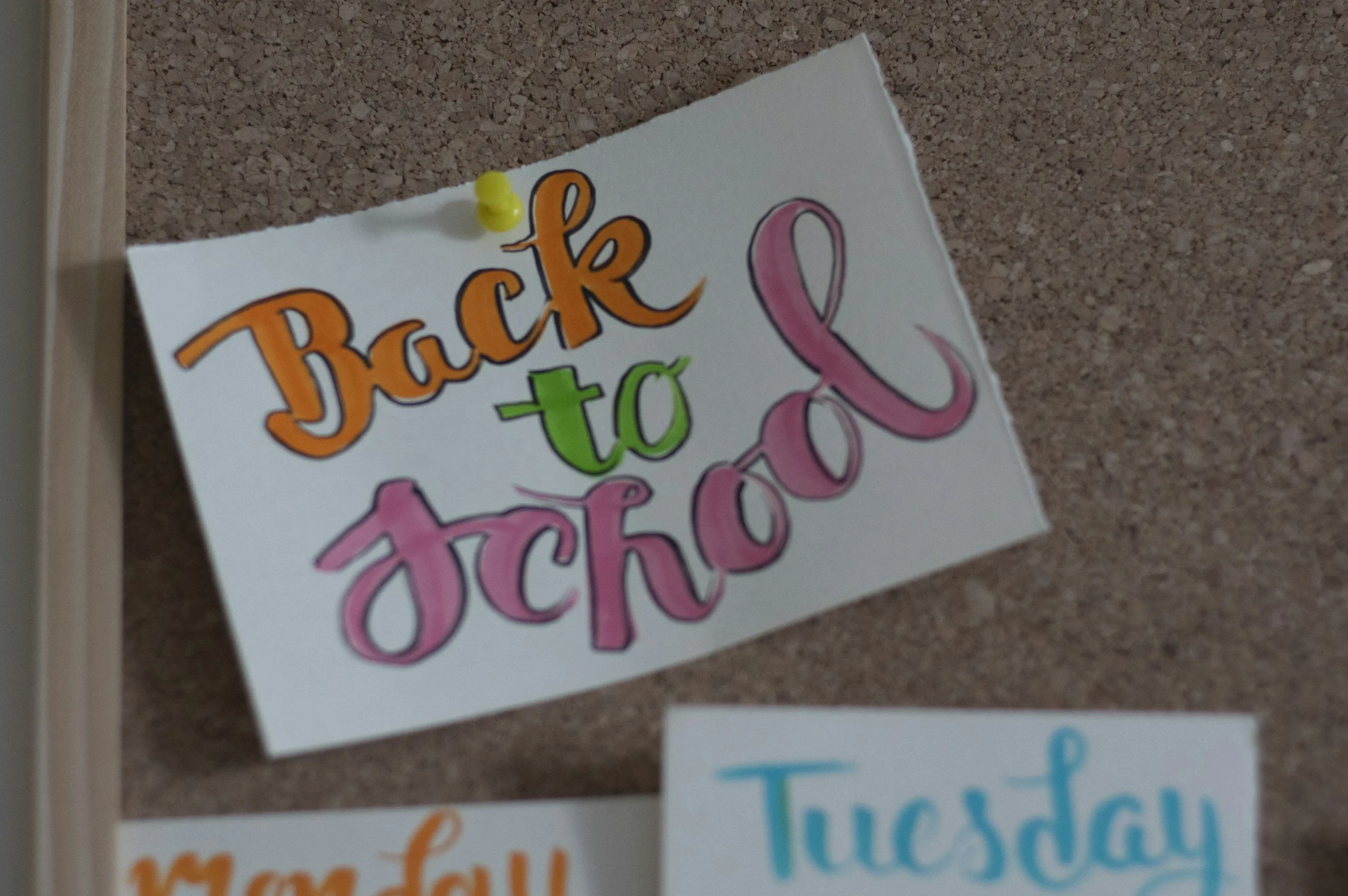
As summer draws to a close, many families begin preparing for a new school year. Shopping for school supplies, organizing schedules, and meeting new teachers can bring excitement, but they can also create stress for both parents and children. The transition back to school is more than just a logistical change—it is an emotional one as well.
Summer often allows for greater flexibility, slower mornings, and more family time. While many parents look forward to the return of routines, adjusting back to structured schedules can feel overwhelming. Children may experience anxiety about new teachers, changing friendships, academic expectations, or unfamiliar environments. Parents may find themselves balancing work responsibilities, extracurricular activities, transportation, and the emotional needs of their children, all while navigating their own stress.
Transitions naturally bring uncertainty. Even positive changes require us to adapt, and our minds and bodies often respond with increased stress. Some children may become more emotional, irritable, withdrawn, or have difficulty sleeping in the weeks leading up to school. Parents may notice increased worry, decision fatigue, or pressure to ensure everyone starts the year successfully.
Rather than striving for a "perfect" first week of school, it can be helpful to focus on creating a sense of safety, connection, and flexibility. When parents are emotionally regulated, children often feel more secure navigating their own emotions.
3 Ways Parents Can Support Their Mental Health During the Back-to-School Transition
1. Ease Back Into Routines Gradually
Rather than waiting until the night before school starts, begin shifting bedtime, wake-up times, and daily routines one to two weeks in advance. Predictable routines help regulate the nervous system and reduce stress for both children and adults. Remember that routines are meant to provide stability—not perfection.
2. Make Space for Emotions—Yours and Theirs
Children often communicate stress through behavior rather than words. Instead of trying to immediately solve every concern, take time to listen with curiosity and validate their experience. At the same time, give yourself permission to acknowledge your own emotions. You may feel excitement, relief, sadness, or anxiety as your family's rhythm changes. Naming emotions without judgment is often the first step toward moving through them.
3. Protect Your Own Well-Being
As calendars quickly fill with school events, sports, homework, and appointments, it becomes easy for parents to place themselves at the bottom of the priority list. Consider scheduling small moments of restoration into your week before your calendar fills up. Whether it is a morning walk, a quiet cup of coffee, meeting with a friend, exercising, or spending time in prayer or reflection, caring for yourself allows you to show up more fully for your family.
The return to school is not simply about getting everyone where they need to be on time—it is about helping your family navigate another season of change together. By approaching this transition with realistic expectations, emotional awareness, and intentional self-care, you can create an environment where both you and your children feel supported.
If you find yourself feeling overwhelmed by the demands of a new school year, counseling can provide a space to process stress, develop healthy coping strategies, and strengthen your emotional resilience. You don't have to navigate life's transitions alone. Investing in your own mental health is one of the greatest gifts you can give yourself—and your family.
